


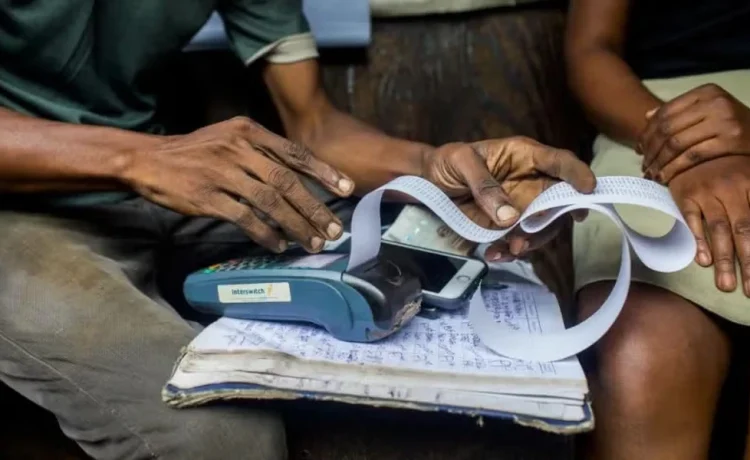


Senegal’s digital economy has developed through a combination of wider mobile access, improved connectivity and the growing availability of services designed for local users. Mobile money has played a particularly important role in this transformation.
Consumers can now use their phones to communicate, shop, transfer funds, pay bills and access different forms of online entertainment. This has allowed digital services to reach people who may not regularly use traditional banking products or desktop computers.
The relationship between mobile payments and digital entertainment illustrates how technology can change consumer behaviour. It also shows why companies entering Senegal need to understand local payment habits, infrastructure and regulatory conditions rather than simply reproducing a model designed for another market.
A Mobile-First Digital Market
For many Senegalese consumers, a smartphone is the main device used to access the internet. This affects how businesses design websites, customer accounts and payment processes.
A conventional desktop platform may contain large images, complex navigation and several stages before a transaction can be completed. On a mobile device, particularly when the connection is inconsistent, the same design can become difficult to use.
Mobile-first services generally benefit from:
-
lightweight pages;
-
clear menus;
-
limited data consumption;
-
short registration processes;
-
visible transaction status messages;
-
compatibility with lower-cost Android devices.
These features are relevant across the digital economy. An online marketplace, media subscription, ticketing service or entertainment platform may lose users if pages load slowly or payment instructions are unclear.
Companies therefore need to view mobile performance as a central business requirement rather than a secondary technical improvement.
Mobile Money as Digital Infrastructure
Mobile money is more than an alternative payment method. In markets where access to conventional banking services is uneven, it acts as a form of digital infrastructure connecting consumers with online businesses.
A mobile wallet can allow a user to receive funds, transfer money and pay for services through an account linked to a telephone number. This removes some of the barriers associated with bank cards and physical branches.
For businesses, the benefits may include wider market access and faster confirmation of local transactions. For users, familiarity is an important advantage: a payment method already used for everyday transfers may feel more practical than entering card information on an unfamiliar website.
However, availability alone does not guarantee a good payment experience. Digital platforms should clearly explain:
-
which mobile money services are accepted;
-
whether fees apply;
-
minimum and maximum transaction amounts;
-
typical processing times;
-
what happens if a transaction is interrupted;
-
how a user can request assistance.
Unclear payment conditions can undermine confidence even when the underlying technology works correctly.
The Expanding Entertainment Economy
Senegal’s digital entertainment sector covers a broad range of services. Consumers use their phones for music, video, social media, mobile games, sports information and interactive platforms.
Football is especially influential. Local competitions, the Senegal national team, continental tournaments and major European leagues attract sustained attention. Smartphones allow supporters to follow fixtures, statistics and live updates from almost anywhere.
This creates opportunities for publishers and digital service providers, but it also increases competition. A user can move between news sites, social networks, video platforms and dedicated sports applications within minutes. Services must therefore provide a clear reason to remain useful.
For information platforms, this can mean organizing content by competition, publishing accurate schedules or explaining how digital services operate. Resources such as Senegal Gaming Reviews form part of this wider information environment by presenting material connected with gaming platforms and the Senegalese market.
The presence of specialist information does not remove the need for users to check current terms, local rules and individual service conditions. It can, however, help organize information that might otherwise be spread across multiple operator websites.
Localization Goes Beyond Translation
French-language content is essential for reaching a broad audience in Senegal, but translation is only one element of localization.
A properly localized platform should also consider:
-
the West African CFA franc;
-
locally available payment services;
-
Senegalese telephone formats;
-
regional sporting interests;
-
the time zone used for events;
-
customer-support languages;
-
locally applicable rules.
A website may be grammatically correct in French while still feeling disconnected from the market. Prices shown only in euros or dollars, unfamiliar payment instructions and examples based entirely on European consumers can create unnecessary distance.
Localization also affects customer support. Users need to know when assistance is available, which communication channels can be used and how payment questions will be handled. Responses should be written in clear language rather than relying on technical or legal terminology without explanation.
Trust in Digital Transactions
Trust is central to the development of online commerce. Consumers are more likely to use a digital service when they can identify the business responsible for it and understand how transactions are processed.
Important trust indicators include:
-
an identifiable operator;
-
accessible terms and conditions;
-
clear contact information;
-
transparent payment rules;
-
explanations of data use;
-
confirmation of completed transactions.
The payment page deserves particular attention. A sudden redirect to an unfamiliar domain, an unexplained fee or the absence of a confirmation message can cause concern. Businesses should make the transition between the service and its payment provider easy to understand.
Transaction records should also be available inside the user’s account. If a payment is delayed, both the customer and support team need a reference that can be used to investigate it.
Challenges for Digital Businesses
Senegal offers opportunities for mobile-focused companies, but businesses also face practical challenges.
Connection quality can vary, making heavy websites less effective outside areas with stronger coverage. Some users rely on limited mobile data packages, so excessive page size can directly affect whether they continue using a service.
Payment fragmentation is another consideration. A platform may need to support multiple methods to reach a broad audience, yet each additional integration introduces technical and operational requirements.
Companies must also manage fraud prevention without creating unnecessary barriers for legitimate users. Excessively complicated identity checks can reduce conversion, while weak controls may expose the business and its customers to risk.
The appropriate balance depends on the type of service, transaction value and applicable regulation. Businesses should avoid assuming that one verification process will work equally well across every country.
Regulation and Consumer Protection
Digital entertainment services operate within national legal frameworks. Rules covering payments, advertising, personal data and gaming can change as markets develop.
Businesses should establish which authorities and regulations apply before offering a service. They should also review their position periodically because a model that was accepted at launch may later be affected by new licensing or compliance requirements.
Consumer protection is not only a legal matter. Clear conditions, responsible-use tools and accessible complaint procedures contribute to the long-term credibility of the market.
For services involving financial risk, users should be able to access spending records, limits and account-control options. Promotional messages should not obscure important conditions or present uncertain outcomes as guaranteed income.
Economic Opportunities Beyond Individual Platforms
The growth of digital entertainment can support a wider ecosystem of services. These include:
-
local content production;
-
translation and localization;
-
software development;
-
payment processing;
-
customer support;
-
digital marketing;
-
cybersecurity;
-
sports data and analysis.
A platform does not operate in isolation. It depends on telecom networks, payment providers, content specialists and technical contractors. As the market expands, demand for these supporting services may create opportunities for local businesses and skilled professionals.
Partnerships with local companies can also help international operators understand consumer expectations. Local expertise is particularly valuable when adapting payment flows, communication and support procedures.
What Sustainable Growth Looks Like
Sustainable development in Senegal’s digital entertainment economy will depend on more than increasing transaction volume. Services also need to be reliable, transparent and appropriate for local conditions.
The strongest platforms are likely to be those that:
-
perform well on affordable smartphones;
-
use data efficiently;
-
integrate familiar payment options;
-
communicate conditions clearly;
-
provide responsive support;
-
follow local regulatory requirements.
Mobile money has reduced an important barrier between consumers and digital commerce. The next challenge is ensuring that the services built around this infrastructure provide consistent and understandable experiences.
Senegal’s mobile-first market will continue to evolve as connectivity, devices and payment systems improve. Businesses that treat localization, transparency and consumer trust as core parts of their strategy will be better placed to participate in that development over the long term.